

1. Company Overview
Basra Oil Company (BOC), headquartered in Basra, is an Iraqi state‑owned oil enterprise reporting to the Ministry of Oil. It was formerly known as the Iraqi South Oil Company, renamed in April 2017 following its integration under the national Iraq National Oil Company (INOC). As of 2025, it is widely recognized as Iraq’s most influential oil operator, ranked eighth largest globally by on‑shore production among national oil companies .
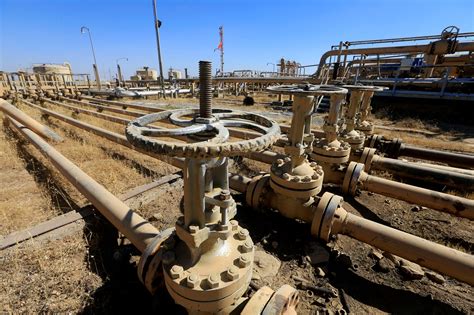
BOC is responsible for upstream operations—including exploration, drilling, production, storage, and export—from Iraq’s southern oil heartland, collaborating directly with the government on development planning and licensing.
2. Core Assets & Output
2.1. Rumaila Oil Field
Operated through the Rumaila Operating Organisation (ROO) under a Technical Services Contract (TSC), Rumaila is one of the globe’s largest oil fields—holding approximately 17 billion barrels of reserves and accounting for nearly a third of Iraq’s output . In 2022, it produced 1.421 million barrels per day (bpd), or about 30% of Iraq’s total production (~4.6 m bpd) . The ROO TSC, originally signed in 2009, is in force through 2034 and involves partnerships with BP and CNPC (via BECL), alongside Iraq’s State Oil Marketing Organization (SOMO).
2.2. Majnoon Oil Field and Other Southern Assets
Majnoon Field—operated by BOC (45% stake), Petronas (30%), and Missan Oil Company (25%)—produces around 245,000 bpd) from reserves initially estimated at 38–42 billion barrels. BOC also oversees production from fields such as Qurna‑1 & 2, Zubair, Rumaila North, Nahr Bin Umar, and other southern provinces.
3. Export Role & Infrastructure Leadership
BOC-managed fields exported approximately 3.232 million bpd in December 2024 from Iraq’s southern terminals, representing nearly all of Iraq’s export volumes that month. Iraq's broader 2024 seaborne exports averaged ~3.37 million bpd, down from 3.6 million in 2022 due to implemented OPEC+ quotas and operational constraints.
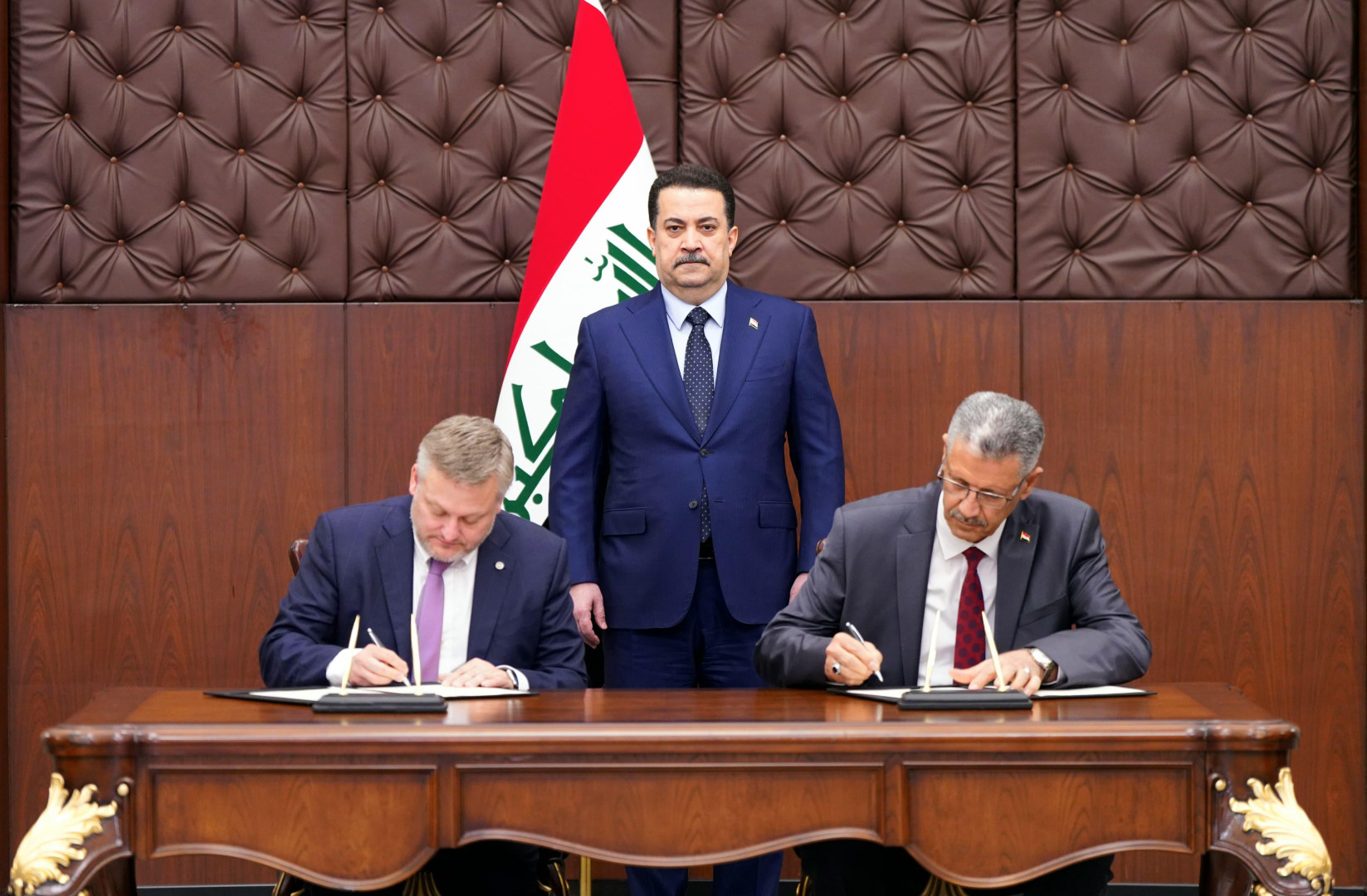
In December 2024, the Iraqi Cabinet — via the Prime Minister’s Office — formally approved a Basrah–Haditha oil pipeline project valued at 5.97 trillion IQD (US $4.56 billion), awarded jointly to BOC and the state oil projects company. This 685‑km pipeline, scheduled for completion by mid‑2028, will enhance export capacity to 2.25 million bpd, upgrade aging infrastructure, and replace the original 1975 Strategic Pipeline.
4. Strategic Strength & Sovereign Role
BOC effectively manages ~80–90% of Iraq’s national oil output and all southern exports, making it both supplier and gatekeeper for state revenue from hydrocarbon sales. Its assets constitute the backbone of the national oil sector. According to BOC leadership, the company can ramp up additional volumes of 200,000 bpd immediately if requested by OPEC or the government, highlighting latent spare capacity.
BOC plays a central role in Iraq’s energy policy, infrastructure planning, and investment initiatives, coordinating with international service firms (e.g., Halliburton and others) to boost production at fields like Nahr Bin Omar (target 300,000 bpd) and Western Qurna‑1 (target 750,000 bpd by 2025).
5. Leadership & Governance
Deyha Al‑Mosawi, as BOC’s Director General, leads the organization under the oversight of the Ministry of Oil. The Ministry itself is responsible for setting policy, licensing, pricing, and aligning BOC’s operations with national objectives, including increased gas development, energy security, and OPEC commitments.
6. Outlook
Looking ahead, BOC is expected to continue consolidating Iraq’s export capacity and refining infrastructure through the Basrah–Haditha pipeline, ramping up new field developments, and supporting national plans to manipulate OPEC quotas. The company is also pivotal to Iraq’s long‑term aspirations for gas expansion and local value capture.
.jpeg)
.jfif)