
Your Trusted Legal Gateway to Iraq

Comprehensive legal and business solutions for companies entering the Iraqi market.
Explore Company
Your Trusted Partner in Iraq Legal Solutions.

Your Trusted Legal Partner in Iraq

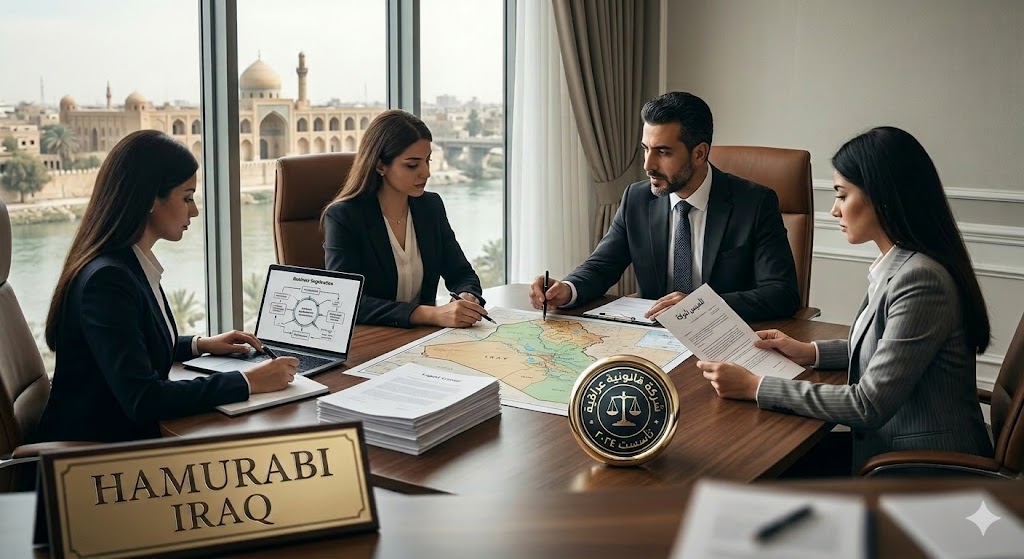
At Hamurabi Iraq, we provide seamless legal and business solutions tailored for companies and investors engaging with the Iraqi market. With a focus on expertise, trust, and efficiency, we simplify complex legal processes—delivering clarity and results.

What Sets Us Apart

  • No Physical Presence in Iraq Required.
  • Full Legal & Business Logistics Support.
  • Expert Legal Consultations by Trusted Iraqi Professionals.
  • End-to-End Client Solutions – From Company Registration to Government Dealings.

Let us be your legal gateway to doing business in Iraq with confidence and peace of mind.

Our Mission

High-quality legal solutions that foster secure and sustainable success in Iraq. Our mission reflects our dedication to guiding our clients through every step of their journey, simplifying legal complexities and protecting their interests.

Our Vision

To become the premier legal services provider in Iraq, connecting the world to Iraqi opportunities through excellence, integrity, and innovation. We envision a thriving Iraqi business environment where international companies prosper with confidence.

Our Core Values

Integrity 

We act with honesty, transparency, and strong moral principles.

Excellence 

We aim for outstanding performance in every service we provide.

Client Commitment 

We prioritize our clients' needs, goals, and long-term success.

Confidentiality

We safeguard client information with absolute professionalism.

Global Mindset

We bridge international expectations with local legal realities.


Discover More
10 Years of experience
Our Services

Discover how we’ve solved real challenges and delivered results for our clients. Each case study highlights our expertise and impact.

Discover More
Company Registration in Iraq
Banking Legal Services in Iraq
Insurance Legal Services in Iraq
Customs Clearance Services in Iraq
Trademark Registration in Iraq
Contract Drafting and Registration in Iraq
Receivables & Funds Recovery in Iraq
Government Liaison Services in Iraq
International Arbitration Services in Iraq
Establishing a Bank Branch in Iraq
Patent and Industrial Design Registration Service in Iraq
News & Insights
Discover More
Iraq to Raise Oil Production Capacity Above 6 Million BPD by 2029

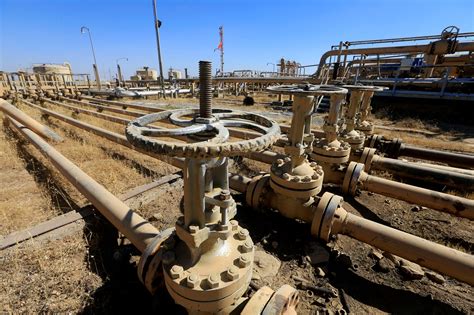
The Iraqi government has unveiled a plan to expand its oil production capacity from the current 4 million barrels per day (BPD) to over 6 million BPD by 2029. The strategy includes major redevelopment projects, international partnerships, and enhanced exploration efforts to solidify Iraq’s standing in the OPEC+ alliance.

BP and Iraq Finalize $25 Billion Agreement to Redevelop Kirkuk Oil Fields

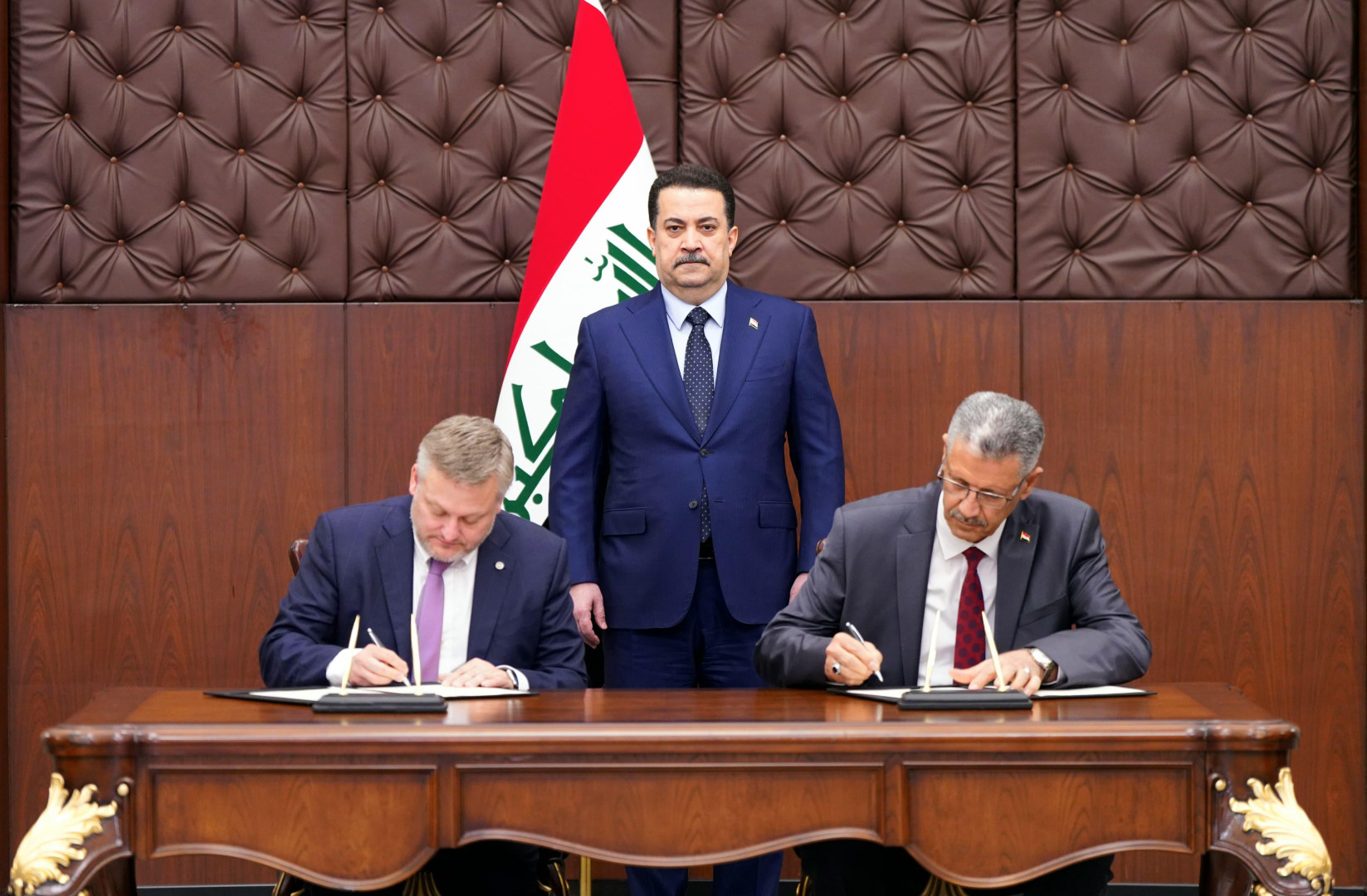
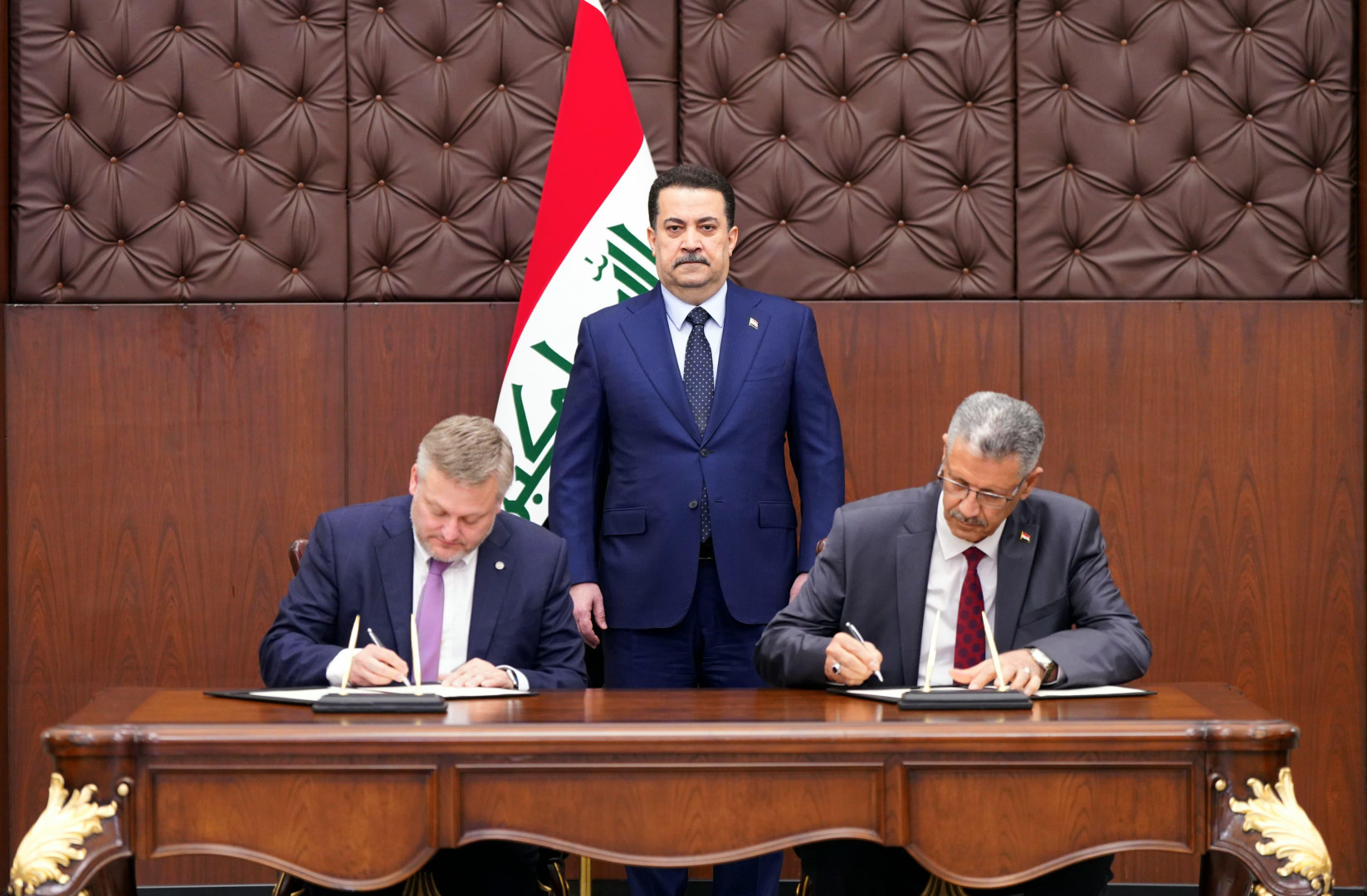
BP and the Iraqi government have reached a comprehensive agreement to invest $25 billion in the redevelopment of four significant oil and gas fields in Kirkuk. This strategic partnership aims to enhance Iraq's oil production capacity and modernize its energy infrastructure, marking a pivotal step in the country's economic development.

Iraq Prevails in $1 Billion Arbitration Case Against German Company

Iraq's Ministry of Justice has announced its victory in a $1 billion arbitration dispute brought by the German firm AHG over a failed investment project. The ruling, delivered by an international tribunal, underscores the strength of Iraq’s legal defense and its growing confidence in handling cross-border disputes.

Iraq Reports 5% Non Oil GDP Growth in 2024; Anticipates 4% Growth in 2025

Iraq's non-oil sector experienced a 5% GDP growth in 2024, with expectations of a 4% increase in 2025, attributed to advancements in agriculture and public spending, as reported by the Finance Minister and supported by IMF findings.

Iraq’s Ministry of Transport Delivers Cadastral Maps to Southern Provinces to Advance Development Road Project

The Iraqi Ministry of Transport has officially handed over detailed cadastral maps to four southern provinces—Dhi Qar, Muthanna, Diwaniyah, and Basra—as a strategic step to accelerate implementation of the Development Road Project. These documents will enable local governments to initiate land acquisition procedures essential for launching one of Iraq’s most ambitious infrastructure initiatives.

Iraq Boosts Grid Capacity: West Baghdad Power Station Expanded to 1500 MVA

On May 16, 2025, Iraq’s Minister of Electricity inaugurated the expansion of the West Baghdad Power Station from 1250 MVA to 1500 MVA, a key move to reduce grid congestion in western Baghdad and Fallujah. The upgrade supports the government’s 2025 Summer Preparedness Plan and reflects the country’s ongoing efforts to modernize its energy infrastructure.

Iraq Advances Residential Solar Energy Government Considers Dropping Loan Interest

The Iraqi Ministry of Electricity has announced a significant initiative to promote the adoption of solar energy in homes. A new proposal under review aims to eliminate loan interest for citizens installing solar power systems, alongside a simplified application process and extended repayment terms. This step marks a key move toward sustainable energy and easing the burden on Iraq's national grid.

Iraq Launches TIR System Paving the Way for Enhanced International Trade

On April 1, 2025, Iraq officially activated the Transports Internationaux Routiers (TIR) system, marking a significant milestone in the nation's efforts to modernize its trade and transport sectors. This development positions Iraq as a pivotal trade hub in the Middle East, promising reduced transit times, lower costs, and streamlined customs procedures.

Iraq Accelerates Transition to Clean Energy with Carbon Economy Initiatives

Iraq is making significant strides toward a sustainable energy future. Prime Minister Mohammed Shia Al-Sudani has announced the establishment of the Carbon Economy Company and the launch of the nation's first International Conference on Carbon Economics. These initiatives aim to attract global investment, reduce carbon emissions, and diversify Iraq's energy sector by embracing renewable sources and innovative environmental strategies.

Registering a Foreign Branch

Opening a branch office is a rapid, capital-efficient way for an international company to enter a new market. Because the branch remains part of the parent company’s legal personality, all liabilities, taxes, and compliance duties flow directly back to headquarters. This article explains—without marketing embellishment—the exact concept of the foreign branch, the worldwide legal frameworks that govern it, the standard documentation every jurisdiction requires, the tax and accounting consequences of “permanent establishment” status, and the practical advantages and risks that executives must weigh before they file.

Iraq Releases 250,000 Fingerlings to Boost Fish Stocks in the Tigris River

As part of its annual fisheries enhancement strategy, Iraq’s Ministry of Agriculture has released 250,000 fingerlings of carp species into the Tigris River in northern Baghdad. This initiative aims to strengthen national food security, diversify income sources, and preserve native fish biodiversity, while supporting the country’s aquaculture development.

Business in Iraq A Strategic Gateway for Global Companies

Iraq is rapidly evolving into a strategic business hub. Fuelled by high oil revenues, bold infrastructure programs, improved governance, and a dynamic non‑oil sector, the country offers unique advantages—from access to regional markets to development incentives. This article highlights the key drivers that make Iraq a compelling destination for global investors.

Iraq Implements TIR International Transit System Across All Border Points

Iraq has officially rolled out the TIR international transit system across all its border crossings, aiming to strengthen its trade capabilities and regional connectivity. The system is expected to enhance Iraq’s position in global commerce and support infrastructure development as part of a broader strategic vision.

The UK’s Digital Markets, Competition and Consumers Act: how direct “10 % turnover” fines are rewriting global compliance rules

The UK’s new DMCC Act, effective April 2025, gives the CMA power to fine firms up to 10 % of global turnover for consumer‑law breaches without court action, applies extraterritorially to any business affecting UK consumers and has already reshaped enforcement in cases such as Amazon’s fake‑review probe. Firms worldwide must adopt proactive compliance or face swift, severe penalties.

Saudi Aramco: The Energy Giant Powering the Global Economy

Saudi Aramco, officially known as the Saudi Arabian Oil Company, is the world’s largest integrated oil and gas company. Founded in 1933 and fully owned by the Kingdom of Saudi Arabia, Aramco has developed into a global leader in energy production, refining, petrochemicals, and gas development. With massive reserves, unmatched production capacity, and financial dominance, the company is pivotal to global energy security and the economic ambitions of Saudi Arabia’s Vision 2030.

Basra Oil Company: Iraq’s Principal Oil Force Shaping National Production and Exports

Basra Oil Company (BOC) — a wholly state‑owned entity under Iraq’s Ministry of Oil — dominates domestic oil output and export operations from the country’s southern super‑giant fields. Based in Basra and controlling assets like Rumaila and Majnoon, BOC directs more than 80% of Iraq’s total oil production and export capacity, including nearly all cargoes shipped from southern ports. The company also co‑leads major infrastructure projects like the 4.56 billion USD Basrah–Haditha pipeline approved in December 2024. With an annual capacity to add 200,000 bpd if requested by OPEC, BOC remains the unrivaled anchor of Iraq’s hydrocarbon sector. (Data current as of mid‑2025.)

The Key Distinction Between Commercial Law and Corporate Law

Commercial Law (also known as Business or Mercantile Law) governs the rules, rights, and obligations associated with trade, transactions, and commerce. In contrast, Corporate Law (or Company Law) deals with the internal structure, governance, and legal lifecycle of corporate entities. Although both fields intersect, their core foci are distinct: one regulates how businesses engage in the marketplace, the other governs how companies are constituted, managed, and dissolved.

Why Iraq Remains One of the Most Underrated Investment Destinations in the Middle East

Despite its challenges, Iraq is re-emerging as a frontier market rich in untapped potential—thanks to generous investment incentives, strategic infrastructure projects, and growing economic stability. This article highlights five compelling reasons why foreign investors should consider Iraq as a high-opportunity destination.

Iraq’s 2024–2028 Development Plan Projects Revenues Exceeding IQD 700 Trillion

The Iraqi Ministry of Planning has announced ambitious revenue targets within its 2024–2028 five-year development plan, projecting a total of IQD 710 trillion in revenues. The majority will stem from the oil sector, while non-oil revenues will contribute significantly to diversifying the economy. The plan also outlines substantial investment allocations to achieve targeted economic growth and sectoral development.

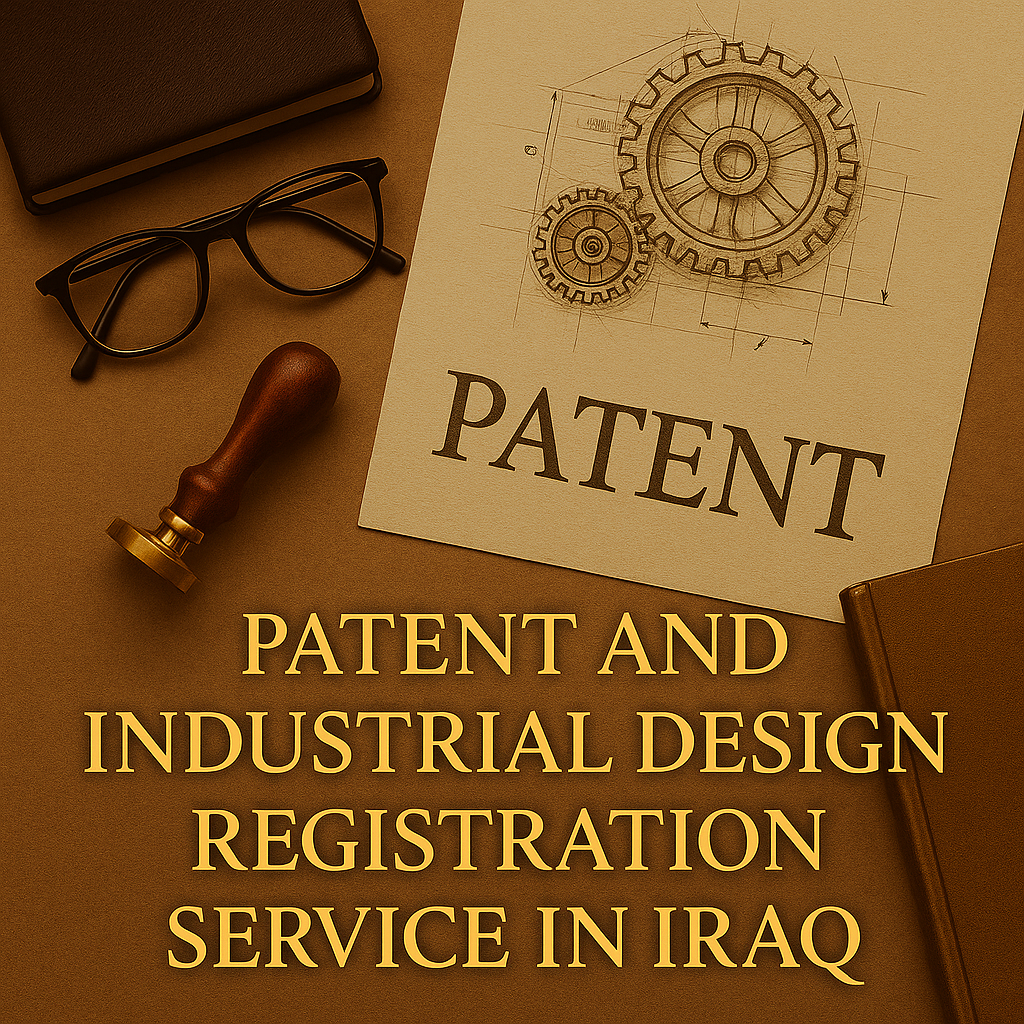
Patent and Industrial Design Registration in Iraq

Patent and industrial design registration in Iraq is regulated by Law No. 65 of 1970, which sets clear rules for eligibility, novelty, and ownership. This article explains who can apply, the legal requirements for protecting inventions and designs, and the penalties for infringement—offering innovators, businesses, and institutions a complete guide to safeguarding their intellectual property in Iraq.

Baghdad International Energy Forum: Iraq’s Energy Dialogue Platform

The Baghdad International Energy Forum (BIEF), hosted under the patronage of Iraq’s Ministry of Oil and the State Oil Marketing Organization (SOMO), will convene in Baghdad on 6–7 September 2025. As Iraq’s flagship energy event, the forum serves as a strategic platform for dialogue on global energy markets, the energy transition, sustainability, and regional cooperation. With participation from OPEC, the International Energy Forum (IEF), the Gas Exporting Countries Forum (GECF), and executives from major oil and gas companies such as BP, TotalEnergies, Chevron, Eni, and Shell, the BIEF underscores Iraq’s pivotal role as a bridge between producers and consumers in securing future energy stability.

International Commercial Arbitration Balancing Efficiency and Cross Border Enforceability

This article examines international commercial arbitration as the preferred mechanism for resolving global business disputes, outlining its legal foundations, advantages, challenges, and leading arbitral institutions. It also explores the digital transformation in arbitration and its implications for efficiency and legal security.

Data Protection and Privacy: From the GDPR to International Standards

This article explores the global evolution of data protection and privacy, starting from the GDPR and extending to international laws in the US, Asia, and the Middle East. It highlights the key challenges businesses face in compliance and the future trends toward harmonized global standards.

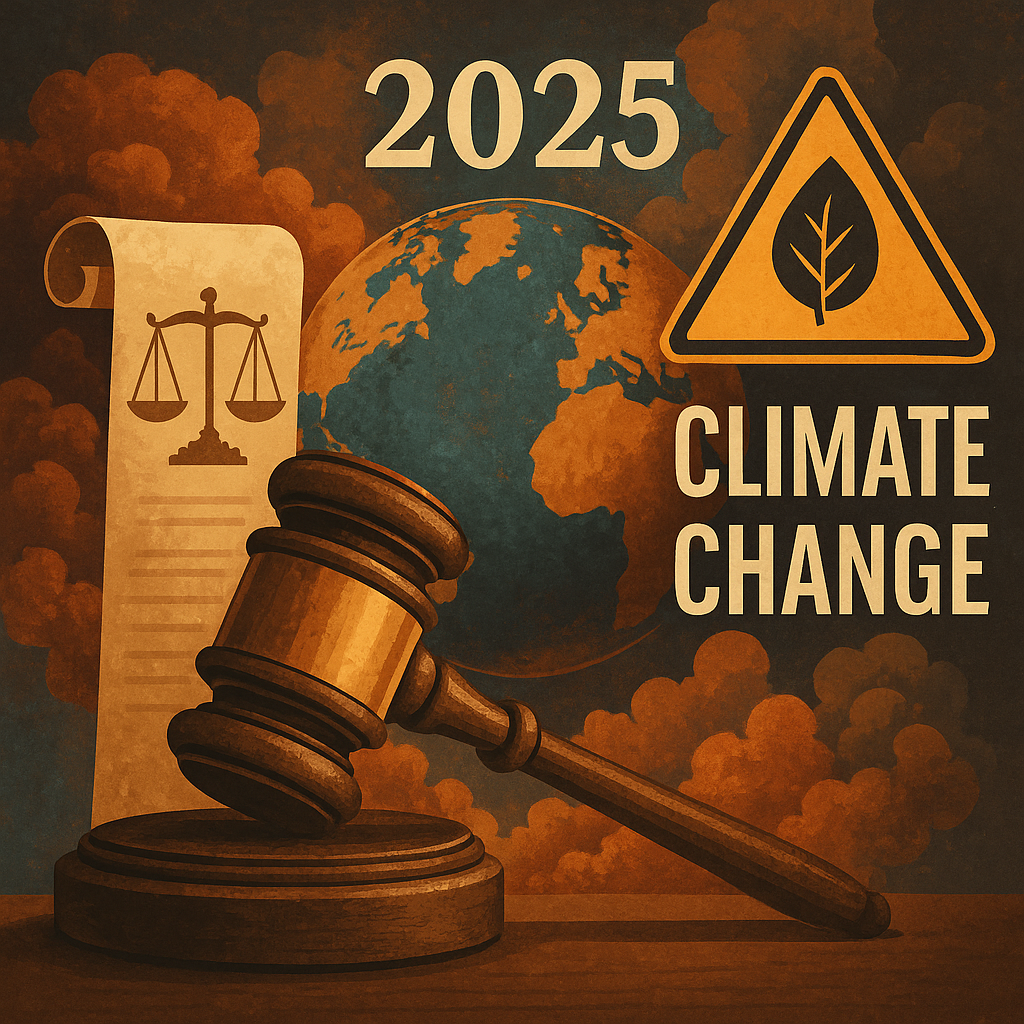
States’ Legal Obligations on Climate Change: An Analysis of the ICJ Advisory Opinion (2025)

On 23 July 2025, the International Court of Justice issued a landmark advisory opinion clarifying states’ binding obligations under international law to combat climate change. The Court emphasized the duty to prevent serious environmental harm with heightened due diligence, the obligation of international cooperation, and the integration of human rights into climate action. Failure to comply may constitute an internationally wrongful act, opening the door to liability and reparations. This opinion will influence policy-making, corporate compliance, and climate litigation worldwide.

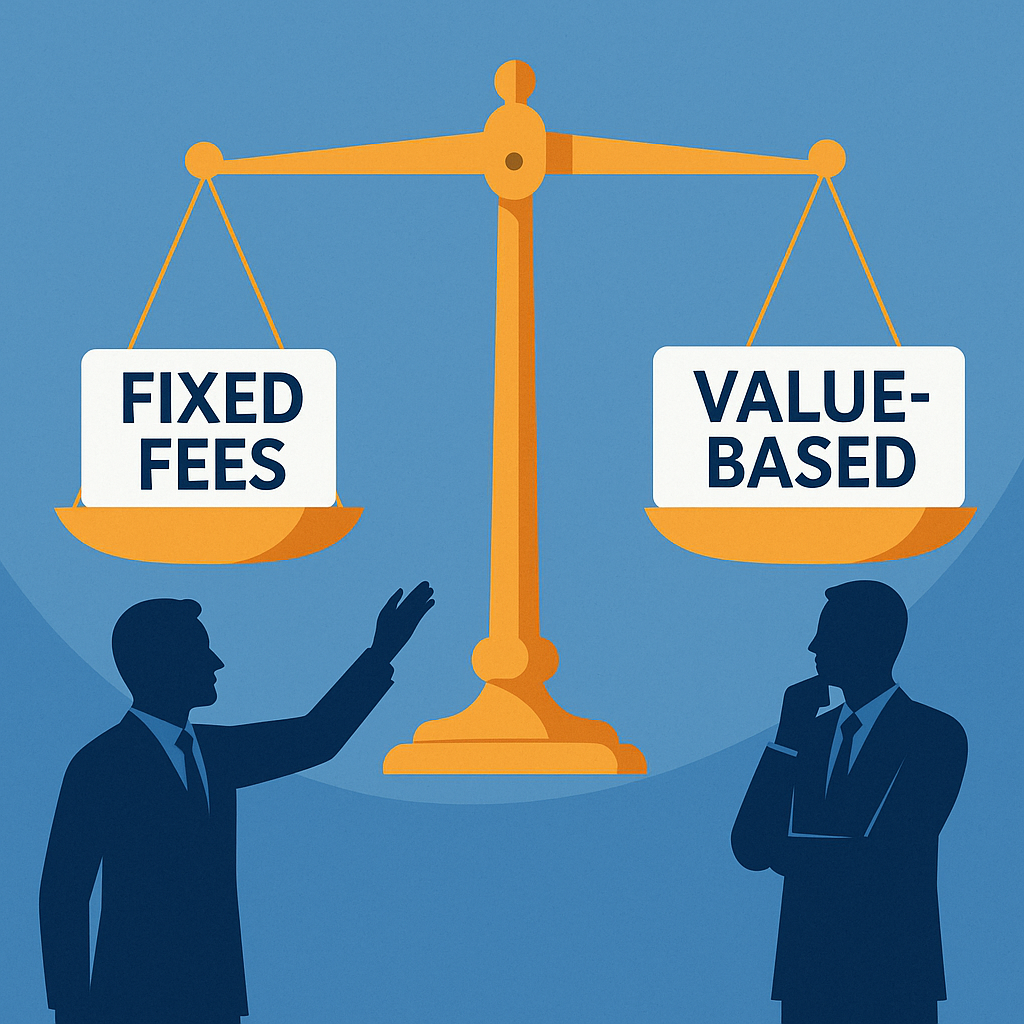
Fixed Fees & Value Based Legal Services Shaping the Future of Law

This article analyzes the global shift from hourly billing to fixed fees and value-based legal services. It explains how these models enhance client trust, drive competition with ALSPs and Big Four firms, and highlight the need for compliance with transparency rules in the UK and ABA ethical standards in the US.

Blockchain and Smart Contracts in International Transactions: Legal Frameworks and Business Opportunities

This article examines the global legal recognition of blockchain-based smart contracts, highlighting frameworks like the UK ETDA 2023, UNCITRAL MLETR, and the EU Data Act. It explores key business opportunities in trade finance, supply chain management, and the data economy, while assessing compliance challenges such as human override requirements, code–law conflicts, and uneven cross-border adoption.

Global Data Protection Standards and Their Impact on Cross Border Businesses

As privacy regulations proliferate, companies doing business internationally face legal obligations far beyond their home jurisdiction. This article discusses GDPR’s extraterritorial reach, key compliance obligations (data transfers, breach notification, local representation), business impacts (fines, reputation, contracts), and strategies to operationalize cross-border data protection compliance in 2025.

AI Regulation in Financial Services: Challenges and Opportunities in 2025

This article examines how emerging AI regulation—especially the EU AI Act—is reshaping compliance obligations for financial services institutions such as banks and fintechs. It outlines governance, transparency, validation, and reporting requirements, assesses key benefits and risks, and lays out strategic steps for firms to safeguard compliance and competitive advantage.

Digital Taxation and the OECD Framework

As the global economy becomes increasingly digitized, traditional tax frameworks struggle to capture value generated by multinational tech firms operating without physical presence. Unilateral digital services taxes (DSTs) have proliferated, but carry risks of double taxation and trade conflict. The OECD/G20’s two-pillar solution—reallocating taxing rights (Pillar One) and enforcing a minimum tax (Pillar Two) offers a multilateral pathway to reform. This article overviews the issues, the proposed solutions, and key implementation hurdles.

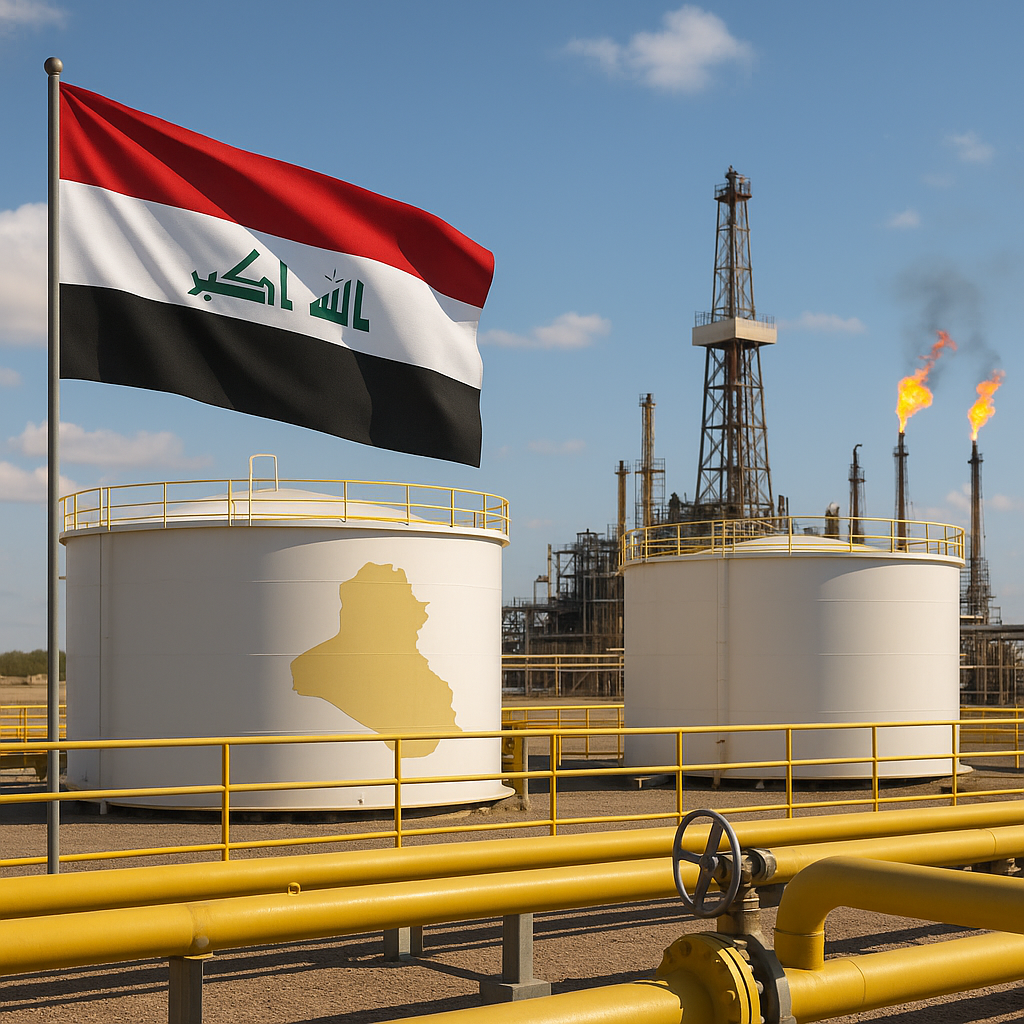
Registration of Oil Companies in Iraq

Comprehensive guide on how to register oil companies in Iraq under the applicable laws and regulations, including legal requirements, Ministry of Oil licensing, and compliance obligations. Prepared by Hamurabi Iraq’s legal experts.

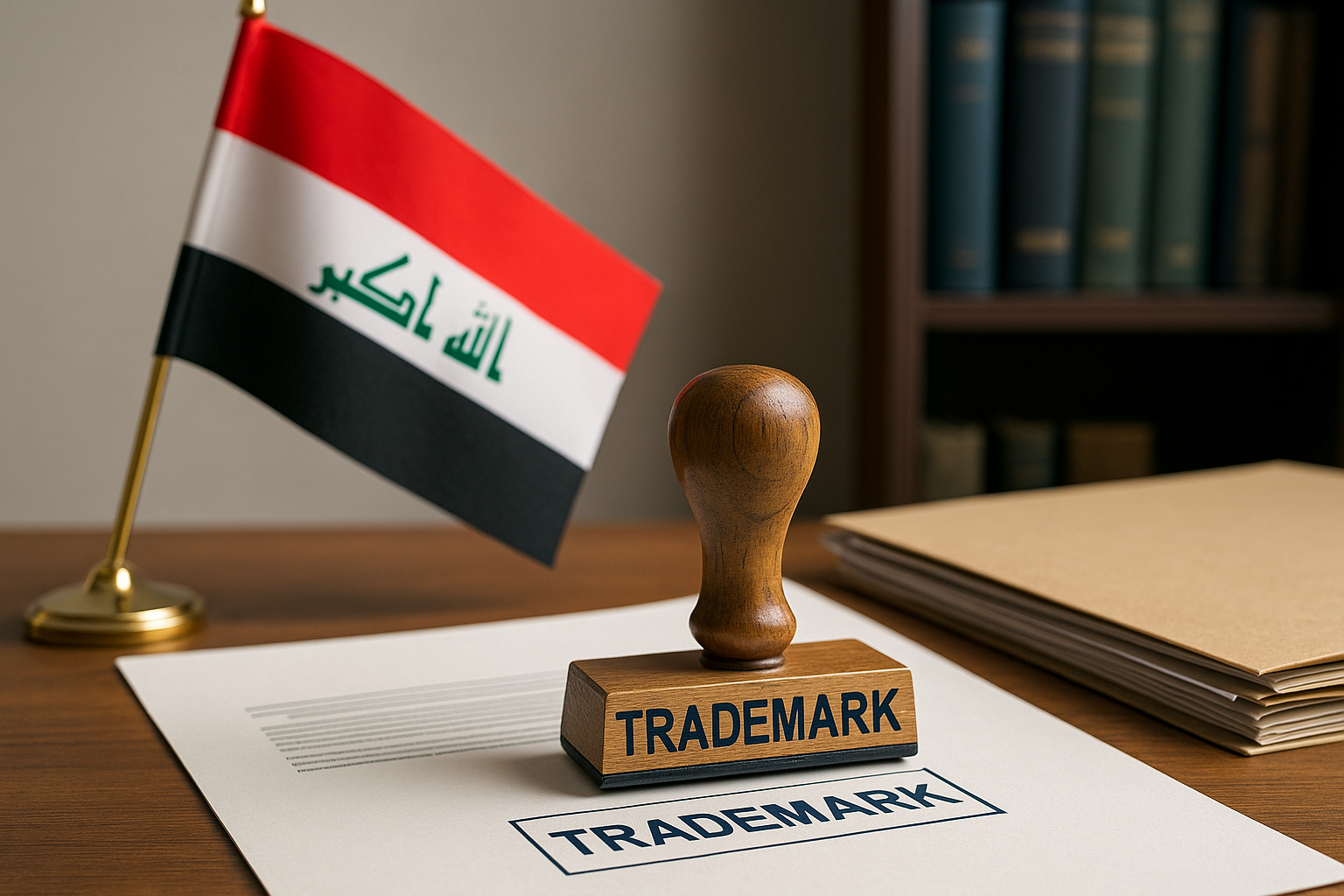
Trademark Registration in Iraq: Legal Framework and Practical Procedures

Trademark registration in Iraq is a fundamental legal step for any business aiming to secure its commercial identity and prevent infringement in a rapidly developing market. The process is governed by Trademark Law No. (21) of 1957 (as amended) and supervised by the Trademarks Office of the Central Organization for Standardization and Quality Control (COSQC) under the Ministry of Industry and Minerals. Applicants must submit a complete set of documents — including a clear mark sample, applicant details, classification of goods and services, and legalized power of attorney — to obtain protection valid for ten years, renewable indefinitely. Foreign entities can register their marks directly or through authorized representatives in Iraq, while local enforcement measures ensure strong protection against counterfeiting and unauthorized use. By understanding and following the Iraqi trademark procedures, businesses can safeguard their intellectual property and establish a lasting commercial presence in one of the region’s most strategically significant markets. Hamurabi Iraq Law Firm provides comprehensive legal support for trademark registration, renewal, opposition, and enforcement, ensuring full compliance with Iraqi laws and international conventions.

Trademark Law and Registration in Iraq

Trademark registration in Iraq is a fundamental legal step for any business aiming to secure its commercial identity and prevent infringement in a rapidly developing market. The process is governed by Trademark Law No. (21) of 1957 (as amended) and supervised by the Trademarks Office of the Central Organization for Standardization and Quality Control (COSQC) under the Ministry of Industry and Minerals. Applicants must submit a complete set of documents — including a clear mark sample, applicant details, classification of goods and services, and legalized power of attorney — to obtain protection valid for ten years, renewable indefinitely. Foreign entities can register their marks directly or through authorized representatives in Iraq, while local enforcement measures ensure strong protection against counterfeiting and unauthorized use. By understanding and following the Iraqi trademark procedures, businesses can safeguard their intellectual property and establish a lasting commercial presence in one of the region’s most strategically significant markets. Hamurabi Iraq Law Firm provides comprehensive legal support for trademark registration, renewal, opposition, and enforcement, ensuring full compliance with Iraqi laws and international conventions.

Establishing a Factory in Iraq: Legal Framework and Practical Procedures

This article outlines the legal and procedural framework for establishing factories in Iraq, highlighting the governing laws such as the Investment Law No. (13) of 2006 and the Companies Law No. (21) of 1997. It provides a step-by-step guide to registration, licensing, and available incentives for industrial investors, along with key compliance obligations and legal advice to ensure sustainable and lawful operations under Iraqi legislation.

Iraq’s Energy System at a Critical Crossroads

This article provides an in-depth examination of Iraq’s accelerating transition toward integrated gas and power development, particularly through the Integrated South Project / Gas Growth Integrated Project (GGIP). Between 2024 and 2025, the federal government initiated a shift from policy announcements to sequential execution, supported by binding contracts, reinforced regulatory frameworks, and cross-sectoral coordination between the Ministry of Oil, the Ministry of Electricity, and the Prime Minister’s Office. The analysis highlights infrastructure components such as gas capture and processing, the Artawi oilfield expansion, the national seawater treatment project, and complementary solar capacity, alongside legal considerations under Iraq’s Investment Law No. 13 of 2006. The article concludes by mapping risks, economic returns, and the investment window available through 2025–2027 for stakeholders in the oil, gas, and power sectors.

Overview of the Companies Law in Iraq

The Iraqi Companies Law No. 21 of 1997 (as amended in 2004) forms the backbone of corporate regulation in Iraq. It governs company formation, management, capital structure, governance, and liquidation, while aiming to protect creditors, enhance transparency, and promote a market-oriented economy. This legal framework is indispensable for investors and corporate entities operating in the Iraqi private sector.

The Legal Scope of Trademark Protection in Iraq

This article provides a comprehensive analysis of the legal scope of trademark protection in Iraq, examining the governing legislative framework, territorial and substantive limits, duration of protection, exclusive rights of trademark owners, statutory limitations, and enforcement mechanisms. It demonstrates that, following legislative reforms, Iraqi trademark law has achieved a notable level of conformity with international standards while maintaining regulatory features adapted to the Iraqi commercial and legal environment.

Establishing a Company or Opening a Branch  in Iraq
Establishing a Company or Opening a Branch in Iraq

This article explores the practical differences between establishing a local company and opening a branch in Iraq, offering foreign investors clear guidance to select the most appropriate structure for their business objectives.

General & Legal
Practice Areas

Expert legal guidance in corporate, commercial, IP, and compliance — simplifying legal complexity for global businesses.

Company Branch Setup
Trademark Advisory & Registration
Design & IP Protection
Notary & Legalization Services
Legal Advisory & Drafting
Business Licensing & Compliance
Our Performance

With more than a decade of consistent success, Hamurabi Iraq provides trusted legal and business solutions, tailored to the unique needs of international and regional clients operating in Iraq.

400 +
Resolved Legal Engagements
520 +
Tailored Legal Consultations Delivered
440 +
Corporate Setups Completed
100 +
International Clients Served