
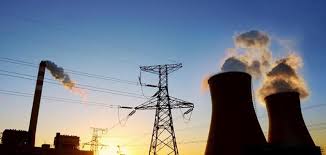
Legal Risk Management in Oil, Gas, and Energy Projects
Introduction
Oil, gas, and energy projects are among the most legally complex sectors, owing to the intricate interplay of technical, commercial, and regulatory elements. These projects typically require substantial capital investment, operate under long-term contractual arrangements, and are subject to extensive governmental oversight and stringent environmental standards. Consequently, legal risk management becomes a strategic imperative to ensure project continuity, secure returns, and avoid costly disputes.
1. Complex Contracts and Contractual Governance
Most energy projects rely on sophisticated contractual models such as Production Sharing Agreements (PSAs), concession agreements, and Joint Development Agreements (JDAs). These agreements are long-term and multilayered, with extensive technical and financial obligations. The primary risk arises from ambiguities, inconsistencies, or gaps in contractual terms, which may lead to costly disputes. International best practices emphasize precise drafting, the inclusion of adjustment mechanisms for changed circumstances, and clear provisions for managing operational risks.
2. Regulatory Risks and Compliance
The energy sector is highly susceptible to legislative and regulatory changes, covering areas such as environmental protection, occupational health and safety, taxation, and national energy policy. Non-compliance with regulatory requirements poses significant risks, including fines, suspension of operations, or revocation of licenses. The optimal approach is to establish an internal compliance framework that includes continuous regulatory monitoring, periodic training, and both internal and external legal audits.
3. Environmental Liability
Oil and gas projects carry a high probability of environmental impact, including oil spills, gas emissions, and ecosystem disruption. International standards such as ISO 14001 highlight the need for robust environmental risk management plans, including environmental impact assessments, emergency response plans, environmental liability insurance, and compensation mechanisms for affected stakeholders. Failure to manage these risks may result in civil and criminal liability and substantial damages.
4. Risks Related to Supply Chains and Contractors
Energy projects heavily rely on contractors and suppliers from multiple jurisdictions. Common risks include inadequate compliance by contractors, operational disruptions, and disputes over performance obligations. Effective mitigation measures include rigorous subcontract management, due diligence on contractors, and the imposition of clear safety and compliance requirements in contractual documents.
5. Geopolitical Risks and Force Majeure
Given the cross-border nature of the energy sector, projects may be affected by governmental changes, international sanctions, armed conflicts, or economic instability. One of the primary tools to address these risks is the inclusion of flexible and precise force majeure clauses, alongside diversification strategies for supply sources and logistics chains.
6. Dispute Resolution Mechanisms
Due to the technical complexity of energy contracts, international commercial arbitration is often preferred, as it provides access to specialized expertise and faster resolution compared to traditional courts. It is also advisable to incorporate multi-tier dispute resolution clauses, beginning with negotiation and mediation before resorting to arbitration.
Conclusion
Legal risk management in oil, gas, and energy projects is not a secondary function but a strategic pillar for ensuring project success and sustainability. The sector’s complexity, scale of investment, and environmental and regulatory obligations necessitate a comprehensive framework that includes precise contractual drafting, effective compliance systems, experienced legal leadership, and practical mechanisms for handling emergencies and disputes. Proactive measures and robust legal governance are essential to creating a stable operating environment and protecting the long-term interests of investors and operators.

.jpeg)
.jfif)