

Introduction
Official French goods-trade data show that trade relations between France and Iraq underwent a clear transformation over the period from 2020 to 2026. The trade balance shifted from a limited surplus in France’s favour in 2020 to a persistent deficit in Iraq’s favour beginning in 2021. This shift is primarily linked to the rise in French imports of Iraqi hydrocarbons, while French exports to Iraq remained within a lower-value range and were more diversified across sectors and products.
An assessment of the trade balance between the two countries relies on French customs data concerning France’s exports to Iraq and imports from Iraq. These data cover trade in goods and do not include direct investment, services, grants, infrastructure contracts, or defence cooperation. This distinction shows that the economic relationship between the two countries is broader than the trade balance; nevertheless, trade in goods remains the clearest indicator for measuring the direct movement of trade between the two markets.
Development of the Trade Balance from 2020 to 2025
In 2020, France recorded a limited trade surplus with Iraq amounting to EUR 102 million. French exports to Iraq reached EUR 333 million, while French imports from Iraq amounted to EUR 232 million. The year 2020 was the only year during the 2020–2025 period in which France achieved a surplus in goods trade with Iraq.
However, this situation changed in 2021. French exports to Iraq declined to EUR 276 million, while French imports from Iraq rose to EUR 898 million. As a result, France’s trade balance shifted from a surplus in 2020 to a deficit of EUR 622 million in 2021. This transformation reflects a substantial increase in French imports from Iraq, particularly in the energy sector.
In 2022, French exports to Iraq increased to EUR 394 million, but French imports from Iraq rose by a greater amount, reaching EUR 1.414 billion. Consequently, the French trade deficit widened to EUR 1.020 billion. This level of deficit confirms that the structure of trade between the two countries had become closely linked to French imports of Iraqi petroleum products.
This trend continued in 2023, when French exports to Iraq amounted to EUR 336 million, while French imports from Iraq reached EUR 1.714 billion. France’s trade deficit that year stood at EUR 1.378 billion. These figures show that France’s exports to Iraq remained in the range of hundreds of millions of euros, whereas energy imports from Iraq exceeded EUR 1 billion annually, making the French trade deficit a fundamental feature of the goods-trade relationship between the two countries.
Bilateral trade reached its peak in 2024 in terms of total exchanges. French exports to Iraq amounted to EUR 426 million, the highest level recorded for French exports to the Iraqi market since 2015, according to official French data. In contrast, French imports from Iraq reached EUR 1.971 billion. Total trade between the two countries therefore amounted to EUR 2.397 billion, and France recorded a trade deficit of EUR 1.545 billion, the highest deficit during the 2020–2025 period.
In 2025, French exports to Iraq amounted to EUR 418 million, while French imports from Iraq reached EUR 1.594 billion. France’s trade deficit stood at EUR 1.176 billion. Although the deficit persisted, its level declined compared with 2024 as the value of French imports from Iraq fell more sharply than French exports to the Iraqi market. This improvement did not restore a surplus in France’s favour, but it narrowed the trade gap compared with the previous year.
Structure of French Exports to Iraq
French exports to Iraq are characterised by sectoral diversity when compared with French imports from Iraq. In 2024, chemical products, perfumes, and cosmetics were among France’s principal exports, with a value of EUR 102 million. Food-industry exports amounted to EUR 88 million, pharmaceutical-product exports reached EUR 73 million, while industrial, agricultural, and miscellaneous machinery amounted to approximately EUR 41.3 million.
This structure reflects the nature of France’s presence in the Iraqi market, where exports are concentrated in industrial, technical, and consumer goods with added value. These exports include medical and pharmaceutical products, chemicals, equipment and machinery, and a range of food products. Some French chemical exports are also linked to Iraqi projects for the construction and modernisation of refineries, including the supply of products and components used in industrial and energy activities.
In 2025, pharmaceutical products, general-purpose machinery and equipment, diversified chemical products, and food products remained among the principal categories of French exports to Iraq. This confirms the continuation of the same pattern in trade relations: diversified French exports directed toward industry, health, equipment, and consumer goods, in contrast to Iraqi imports that remain heavily concentrated in energy.
The Dominance of Hydrocarbons in French Imports from Iraq
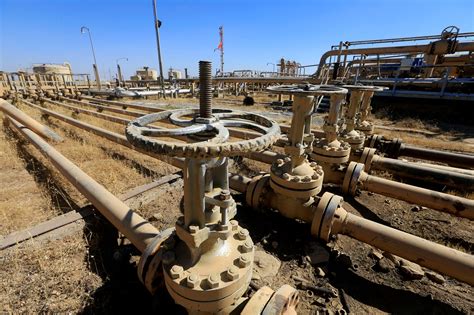
Hydrocarbons constitute the decisive factor in explaining France’s trade deficit with Iraq. In 2024, France’s imports of Iraqi crude natural hydrocarbons amounted to EUR 1.91 billion, representing 97.8% of total French imports from Iraq during that year. Imports of refined petroleum products from Iraq amounted to EUR 42.3 million.
These figures demonstrate that most of the value of trade from Iraq to France is associated with crude oil and petroleum products. Consequently, changes in global energy prices, the volume of French imports of Iraqi crude oil, and movements in the oil market directly affect the level of deficit or improvement in the trade balance between the two countries.
The increase in France’s oil imports from Iraq does not mean that trade relations are limited to energy, but it demonstrates that energy is the largest factor in terms of financial value. Compared with diversified but lower-value French exports, Iraqi oil remains the element that determines the general direction of the trade balance.
2026: Partial Data and the Continued Deficit
A complete annual outcome for 2026 is not yet available; therefore, no final figure can be presented for trade between France and Iraq during the full year. However, the latest available official data cover a twelve-month rolling period from May 2025 to April 2026.
During this period, French exports to Iraq amounted to EUR 376 million, while French imports from Iraq reached EUR 1.272 billion. This resulted in a French trade deficit of EUR 896 million. The value of imports of Iraqi natural hydrocarbons during the same period amounted to approximately EUR 1.271 billion, confirming the continuing high concentration of French imports in the energy sector.
These data indicate that the French trade deficit continued during the period encompassing the first months of 2026, although it remained below the peak recorded in 2024. The rolling-period data cannot be converted into an official estimate for the full year because they do not represent the period from January to December 2026.
The Economic and Investment Dimension Beyond Goods Trade
France’s economic presence in Iraq is not limited to goods trade. The stock of French foreign direct investment in Iraq amounted to EUR 557 million in 2024, an increase compared with 2020. A number of French companies also continued their activities in the sectors of energy, engineering, transport, health, water, aviation, and technical services.
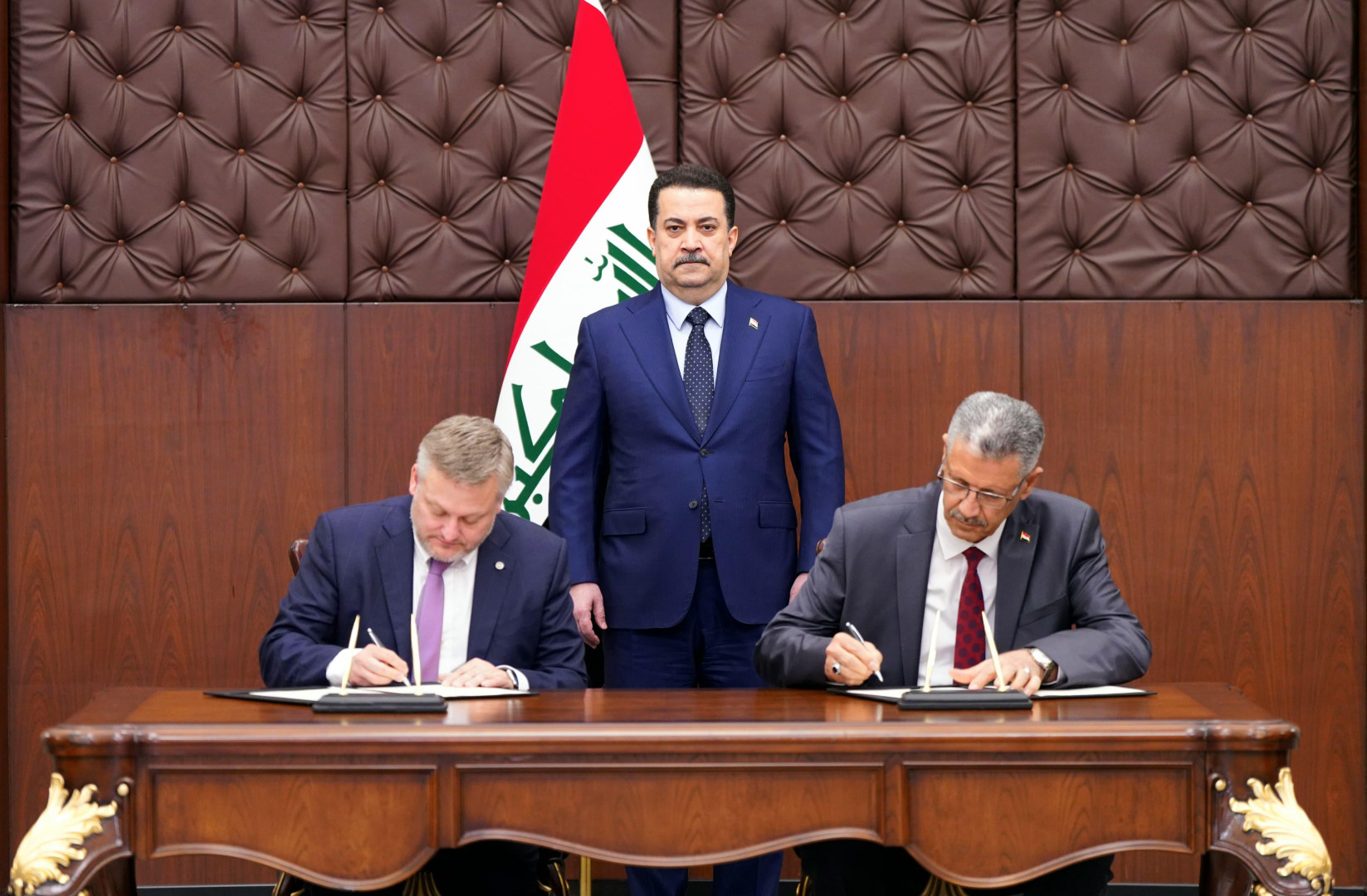
In 2025, thirty French companies participated in an economic mission to Baghdad covering the sectors of energy, health, water, transport, aviation, electronics, engineering, and financial services. French institutions also continued to pursue opportunities connected with Iraqi infrastructure projects, including transport, railways, ports, and logistics services.
These activities remain important for understanding the overall economic relationship between the two countries; however, they are not automatically included in the balance of goods trade. Contracts, investments, and projects may affect trade in the future, but they differ statistically from the value of customs-recorded exports and imports.
Official French data show that trade relations between France and Iraq during the years from 2020 to 2026 were characterised by a continuing French trade deficit from 2021 onward. France recorded a limited surplus in 2020, after which the balance shifted to a growing deficit that reached its highest level in 2024 before declining partially in 2025.
This deficit is primarily associated with the dominance of crude oil and petroleum products in French imports from Iraq, compared with more diversified French exports that include pharmaceutical, chemical, food, machinery, and equipment products. This means that the trade relationship between the two countries is marked by a clear disparity in the structure of goods: Iraq is a principal supplier of energy, while France is a source of industrial, technical, and consumer goods.
The data available through April 2026 indicate the continuation of France’s trade deficit with Iraq, with Iraqi hydrocarbon imports remaining the most influential factor in the value of bilateral trade. These findings confirm that understanding the trade balance between France and Iraq requires a distinction between goods trade on the one hand, and investments, contracts, and economic-cooperation projects on the other, because each dimension reflects a different aspect of the economic relationship between the two countries.

.jpeg)
.jfif)