
Introduction
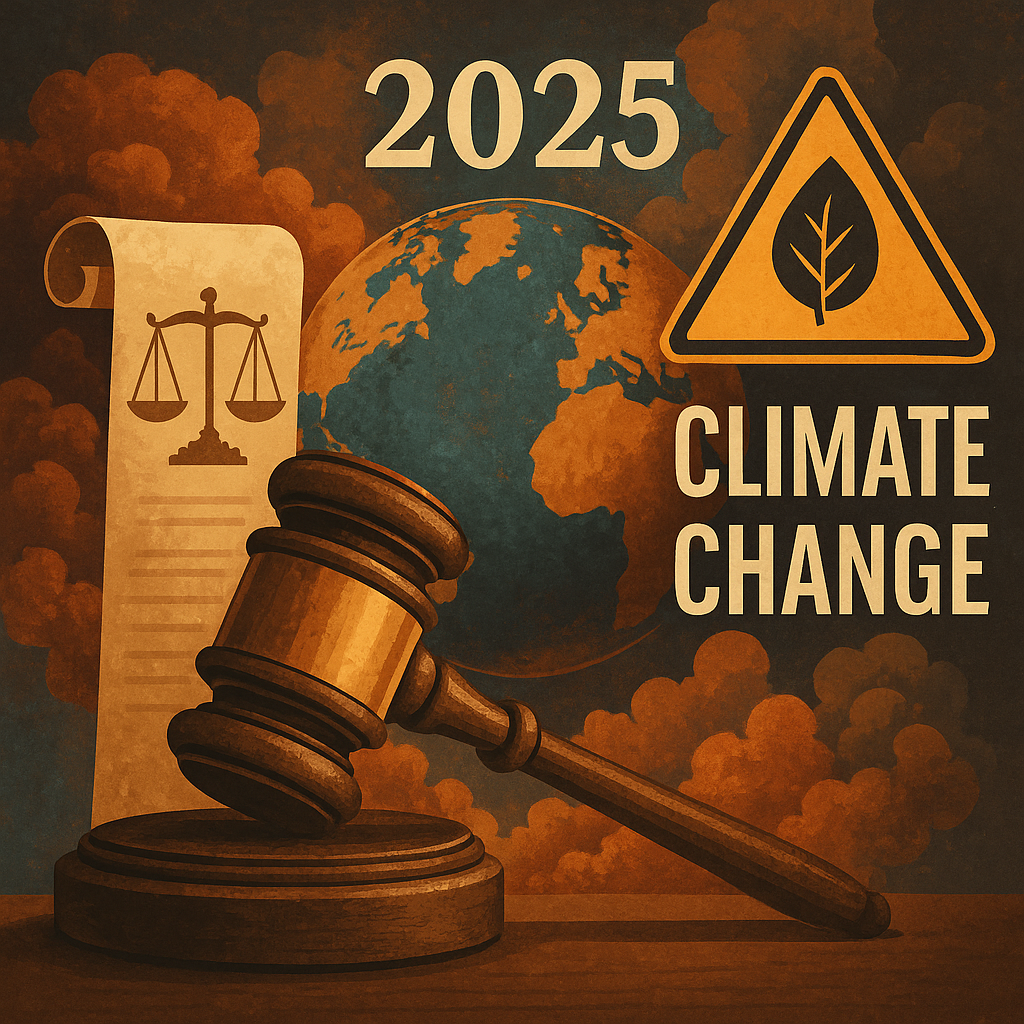
On 23 July 2025, the International Court of Justice (ICJ) issued a landmark advisory opinion clarifying the scope of states’ legal obligations under international law to protect the climate system and the environment from the harms of climate change. While advisory opinions are not legally binding, this ruling carries significant legal and political weight, guiding the interpretation and application of relevant rules of international law.
How Did the Case Reach the Court?
In March 2023, the United Nations General Assembly adopted a resolution requesting the ICJ to provide an advisory opinion on the legal obligations of states regarding climate change and the legal consequences of serious harm to the climate system.
Key Findings of the Court
1. Duty to Prevent Serious Environmental Harm and Exercise Heightened Due Diligence
The Court affirmed that states must take all available and reasonable measures to prevent significant damage to the climate system. The required standard of due diligence is strict, taking into account each state’s capabilities but not permitting inaction. This obligation extends to regulating the activities of private actors within a state’s jurisdiction (such as corporations).
2. Duty of International Cooperation
The ICJ emphasized the obligation of states to cooperate in achieving emission-reduction goals in line with scientific evidence and international agreements. A failure to do so may result in international responsibility.
3. Human Rights Dimension
The Court linked climate obligations to the protection of fundamental human rights, including the rights to life, health, and a clean, healthy, and sustainable environment. States are required to implement procedural safeguards, such as ensuring access to information, public participation, and effective remedies.
4. Legal Characterization
The Court made clear that climate obligations are binding legal duties, not merely political commitments. A serious failure to reduce or regulate emissions may constitute an internationally wrongful act, potentially giving rise to liability and reparations.
Practical Implications for Governments and Businesses
-
Enhanced Regulation and Enforcement: States must adopt and enforce robust regulatory frameworks to control emissions and related activities—including those of the private sector—or risk breaching their duty of due diligence.
-
Stronger Climate Litigation: Victims of climate harm and vulnerable states are now empowered to invoke this advisory opinion in legal proceedings to support claims for compensation or environmental remediation.
-
Integration of Human Rights and Environmental Law: The recognition of the right to a healthy environment as a legal obligation requires governments to embed transparency, participation, and accountability in climate policies.
Conclusion
The 2025 ICJ Advisory Opinion sets a clear precedent: combating climate change is a matter of binding international law. States must act with seriousness and heightened due diligence, regulating both public and private sector activities to prevent grave harm to the climate system. Failure to do so may expose them to international responsibility. This development will shape public policy, corporate compliance strategies, and climate litigation for years to come.


.jpeg)
.jfif)