

Company Overview
Saudi Aramco is a Saudi joint-stock company wholly owned by the government of Saudi Arabia. It was officially established by Royal Decree M/8 on November 13, 1988, and transitioned to a publicly listed company in 2019 through an initial public offering (IPO) on the Saudi Stock Exchange (Tadāwul), trading under the ticker 2222.
Aramco traces its origins to the discovery of oil in the Dammam Field in 1938. Since then, it has evolved into the world’s most valuable energy company, maintaining a leading position in upstream and downstream operations.
Global Operations and Core Activities
1. Upstream Operations
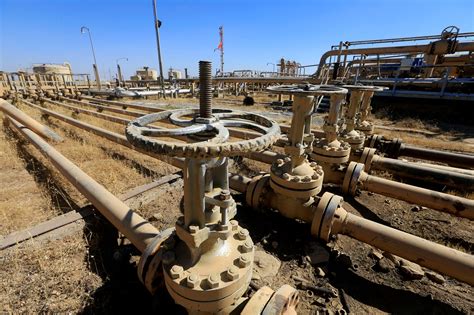
Aramco holds some of the largest proven crude oil reserves in the world—approximately 250 billion barrels of oil equivalent (BOE) as of 2024. The company manages over 100 oil and gas fields across Saudi Arabia, including:
-
Ghawar Field: The world’s largest onshore oil field.
-
Safaniyah Field: The world’s largest offshore oil field.
Aramco produced an average of 12.7 million barrels of oil equivalent per day in 2024, including crude oil, condensate, and natural gas liquids (NGLs).
2. Downstream Operations
The company has invested heavily in refining and petrochemicals, operating facilities both domestically and globally. Notable ventures include:
-
Full ownership of Motiva: The largest U.S. refinery (640,000 bpd) in Port Arthur, Texas.
-
Acquisition of a 70% stake in SABIC: One of the world’s leading chemical producers.
-
Petrochemical complexes: In China, South Korea, and Saudi Arabia.
3. Gas Development
Aramco aims to increase natural gas output by over 60% by 2030, driven by major developments in:
-
Jafurah Field: The largest non-associated gas field in the Kingdom.
-
Hawiyah and Haradh expansions: Major gas processing projects enhancing production and reliability.
Financial Performance (2024)
According to its audited 2024 financial statements (Saudi Exchange), Aramco reported:
-
Revenue: SAR 1.637 trillion (~$436.6 billion USD)
-
Net Income: SAR 398.42 billion (~$106.25 billion USD), down 12% from 2023
-
Operating Cash Flow: $135.7 billion
-
Dividends Paid (2024): $124.2 billion (the largest corporate dividend globally)
Despite a decline in net income due to lower oil prices and production cuts, Aramco retained robust profitability and cash flow.
Strategic Role in Vision 2030
Aramco plays a foundational role in Saudi Arabia’s Vision 2030, the national roadmap for economic diversification. Its objectives align with:
-
Expanding energy infrastructure (e.g., King Salman Energy Park – SPARK)
-
Developing downstream and gas industries
-
Investing in renewables and sustainable technologies
-
Supporting localization and job creation through programs like In-Kingdom Total Value Add (IKTVA)
Leadership
Aramco is led by Amin H. Nasser, President and CEO since September 2015. He holds a degree in petroleum engineering from King Fahd University of Petroleum and Minerals and has been with the company since 1982.
The company's Board of Directors is appointed by royal decree and includes representatives from the government and independent experts in energy and finance.
Global Presence
Aramco maintains strategic offices and research centers worldwide, including in:
-
Dhahran (HQ), Riyadh
-
Houston, New York
-
London, Beijing, Seoul, Tokyo, Paris
-
Singapore, New Delhi
These locations support marketing, innovation, and international partnerships in energy and chemicals.
.jpeg)
.jfif)