

The Baghdad International Energy Forum (BIEF), hosted under the patronage of Iraq’s Ministry of Oil and the State Oil Marketing Organization (SOMO), will convene in Baghdad on 6–7 September 2025. As Iraq’s flagship energy event, the forum serves as a strategic platform for dialogue on global energy markets, the energy transition, sustainability, and regional cooperation. With participation from OPEC, the International Energy Forum (IEF), the Gas Exporting Countries Forum (GECF), and executives from major oil and gas companies such as BP, TotalEnergies, Chevron, Eni, and Shell, the BIEF underscores Iraq’s pivotal role as a bridge between producers and consumers in securing future energy stability.
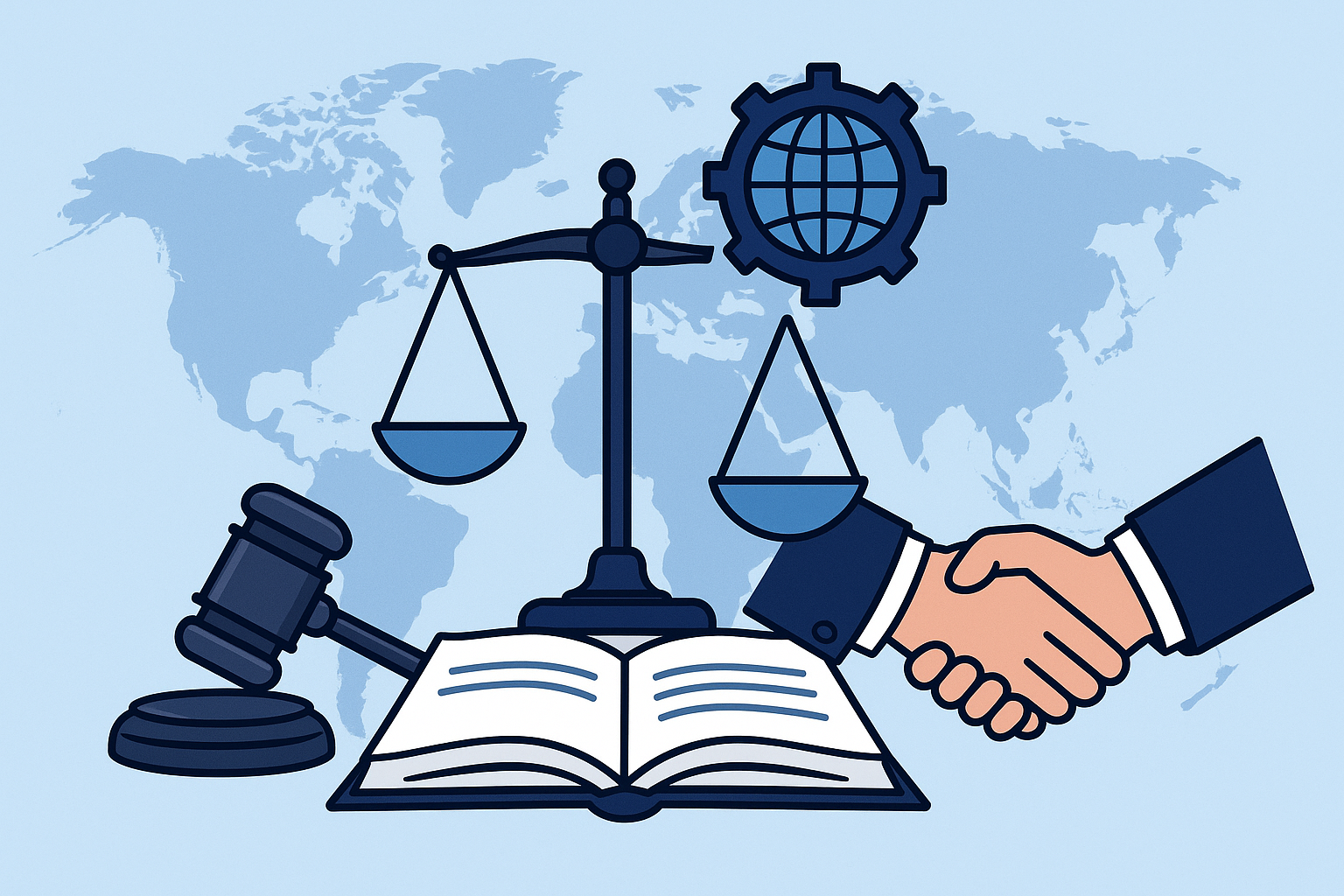
This article examines international commercial arbitration as the preferred mechanism for resolving global business disputes, outlining its legal foundations, advantages, challenges, and leading arbitral institutions. It also explores the digital transformation in arbitration and its implications for efficiency and legal security.

This article explores the global evolution of data protection and privacy, starting from the GDPR and extending to international laws in the US, Asia, and the Middle East. It highlights the key challenges businesses face in compliance and the future trends toward harmonized global standards.
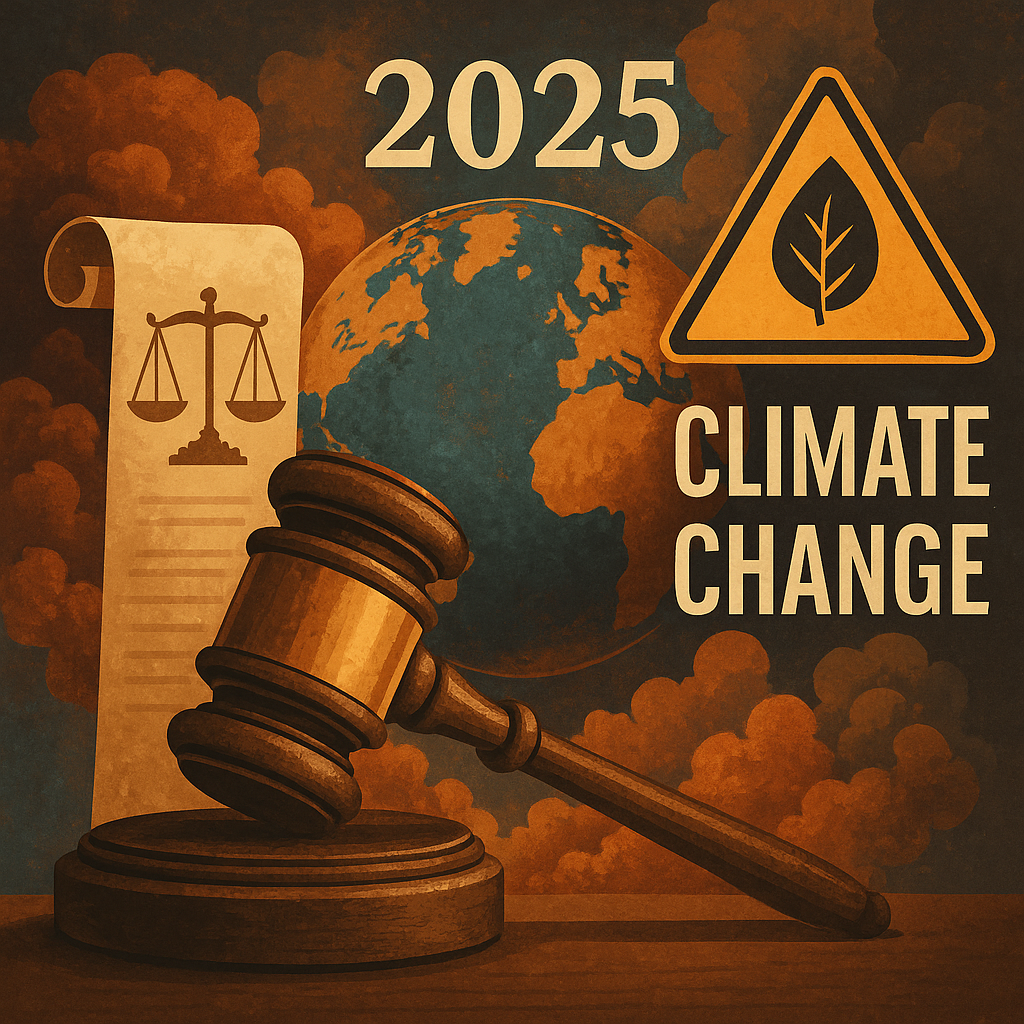
On 23 July 2025, the International Court of Justice issued a landmark advisory opinion clarifying states’ binding obligations under international law to combat climate change. The Court emphasized the duty to prevent serious environmental harm with heightened due diligence, the obligation of international cooperation, and the integration of human rights into climate action. Failure to comply may constitute an internationally wrongful act, opening the door to liability and reparations. This opinion will influence policy-making, corporate compliance, and climate litigation worldwide.
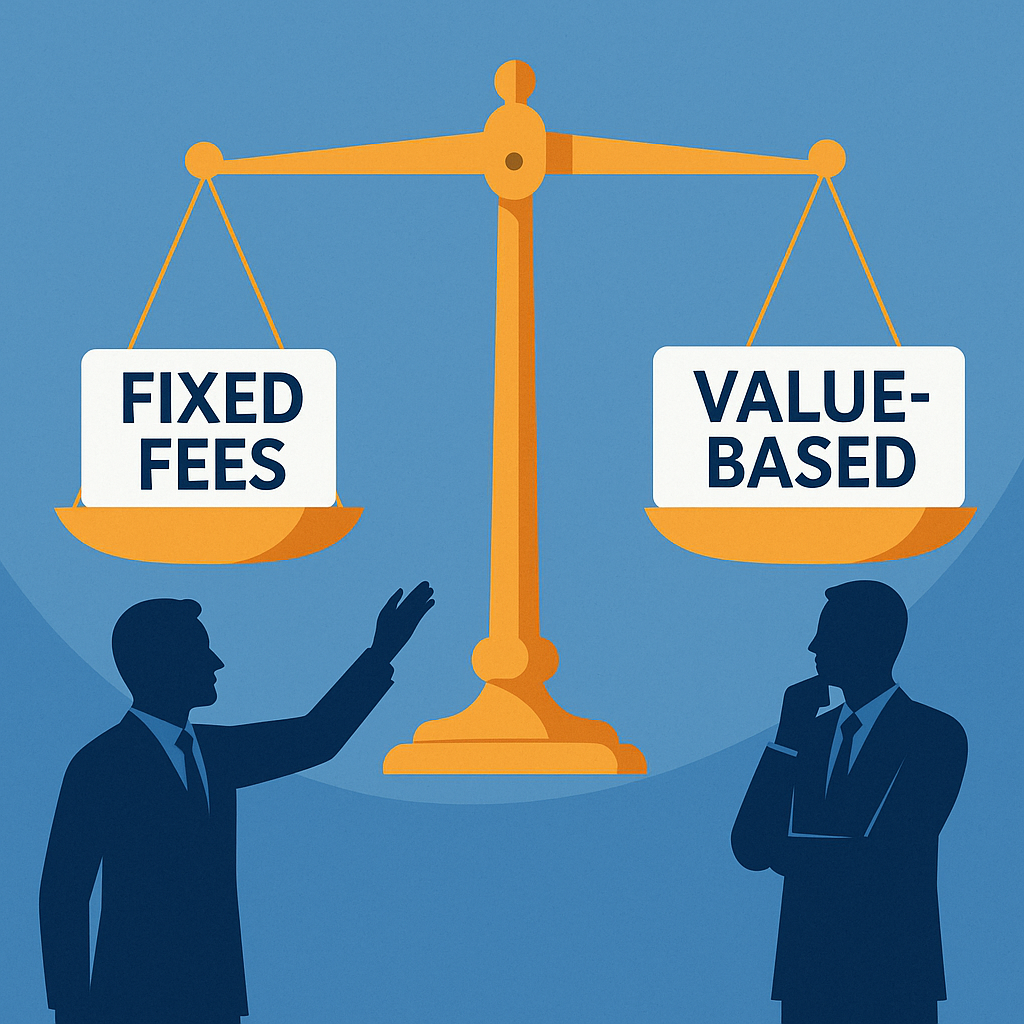
This article analyzes the global shift from hourly billing to fixed fees and value-based legal services. It explains how these models enhance client trust, drive competition with ALSPs and Big Four firms, and highlight the need for compliance with transparency rules in the UK and ABA ethical standards in the US.
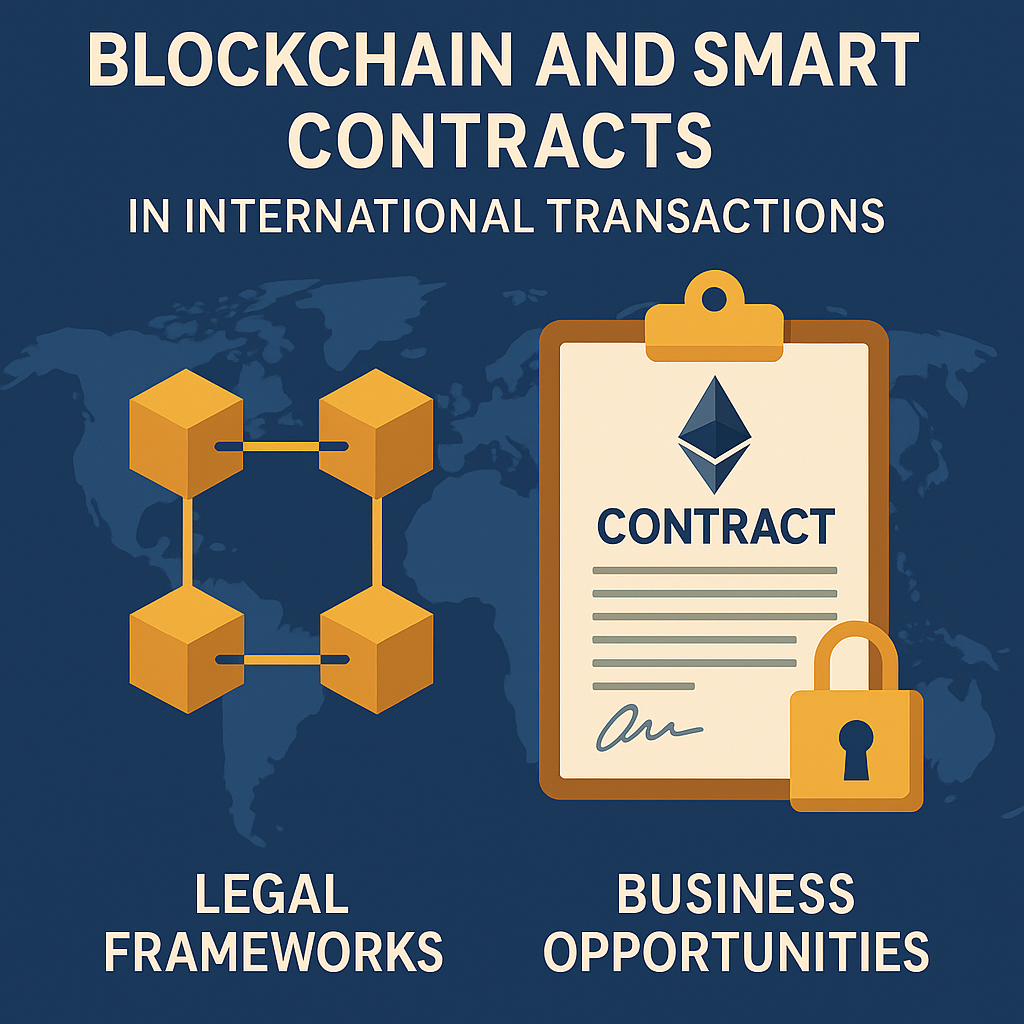
This article examines the global legal recognition of blockchain-based smart contracts, highlighting frameworks like the UK ETDA 2023, UNCITRAL MLETR, and the EU Data Act. It explores key business opportunities in trade finance, supply chain management, and the data economy, while assessing compliance challenges such as human override requirements, code–law conflicts, and uneven cross-border adoption.

As privacy regulations proliferate, companies doing business internationally face legal obligations far beyond their home jurisdiction. This article discusses GDPR’s extraterritorial reach, key compliance obligations (data transfers, breach notification, local representation), business impacts (fines, reputation, contracts), and strategies to operationalize cross-border data protection compliance in 2025.

This article examines how emerging AI regulation—especially the EU AI Act—is reshaping compliance obligations for financial services institutions such as banks and fintechs. It outlines governance, transparency, validation, and reporting requirements, assesses key benefits and risks, and lays out strategic steps for firms to safeguard compliance and competitive advantage.

As the global economy becomes increasingly digitized, traditional tax frameworks struggle to capture value generated by multinational tech firms operating without physical presence. Unilateral digital services taxes (DSTs) have proliferated, but carry risks of double taxation and trade conflict. The OECD/G20’s two-pillar solution—reallocating taxing rights (Pillar One) and enforcing a minimum tax (Pillar Two) offers a multilateral pathway to reform. This article overviews the issues, the proposed solutions, and key implementation hurdles.
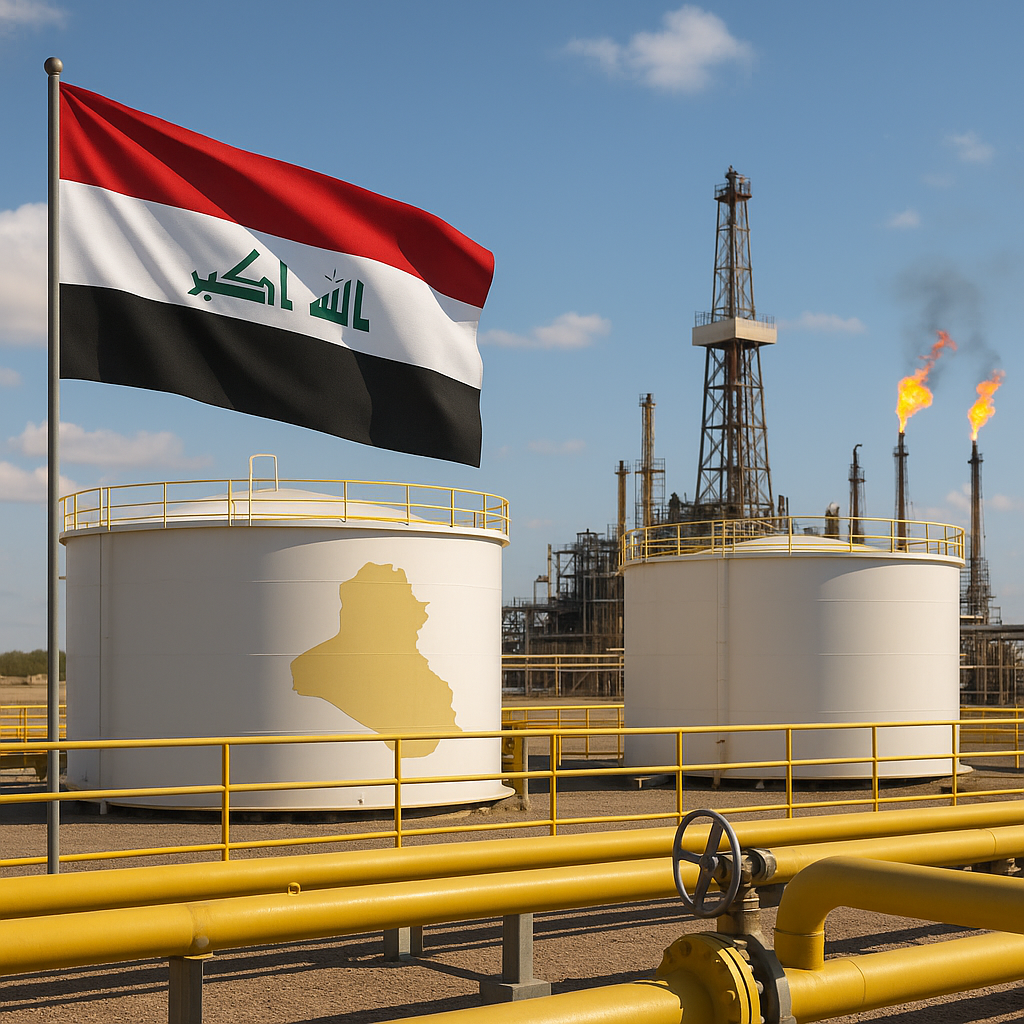
Comprehensive guide on how to register oil companies in Iraq under the applicable laws and regulations, including legal requirements, Ministry of Oil licensing, and compliance obligations. Prepared by Hamurabi Iraq’s legal experts.